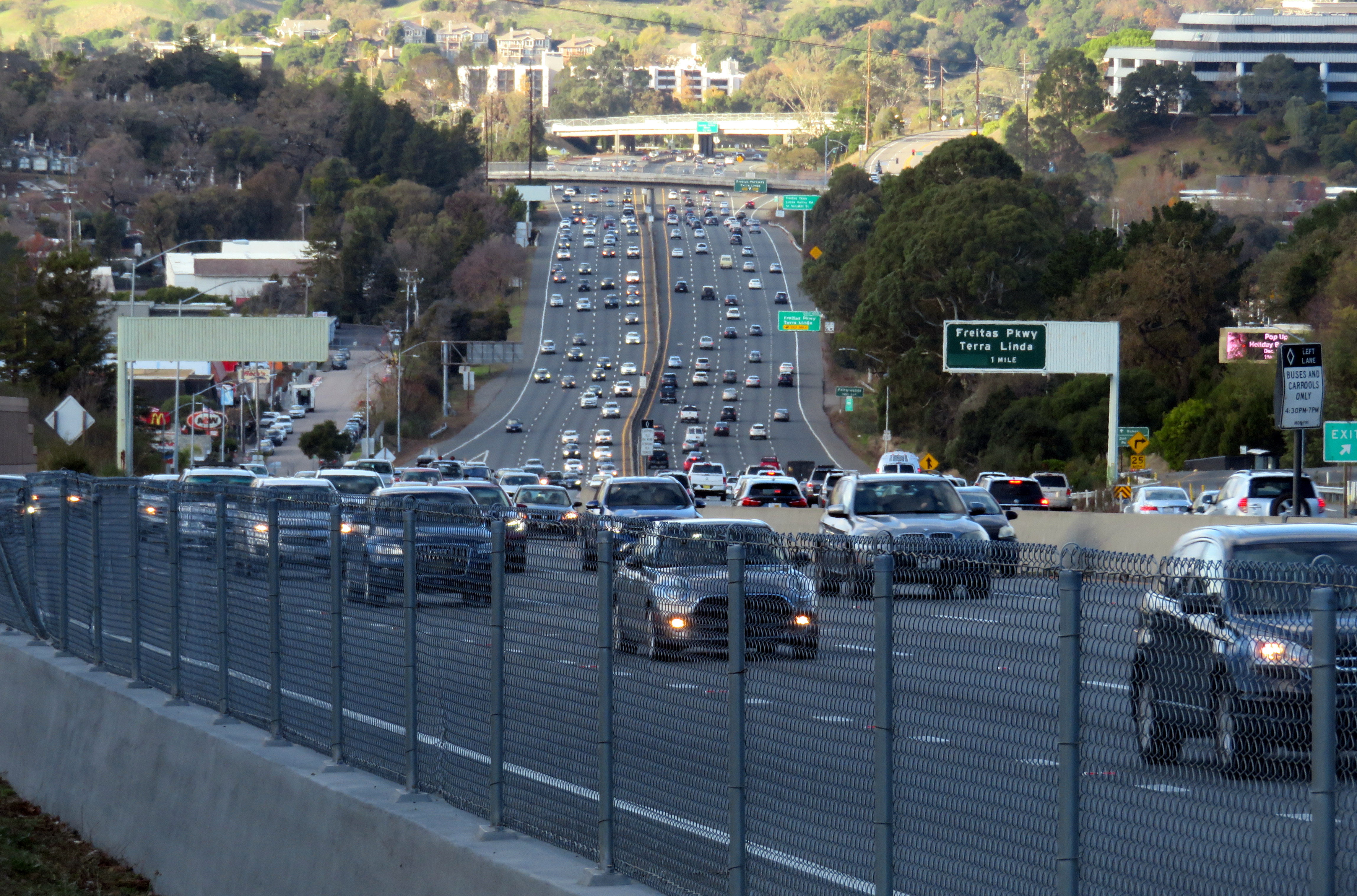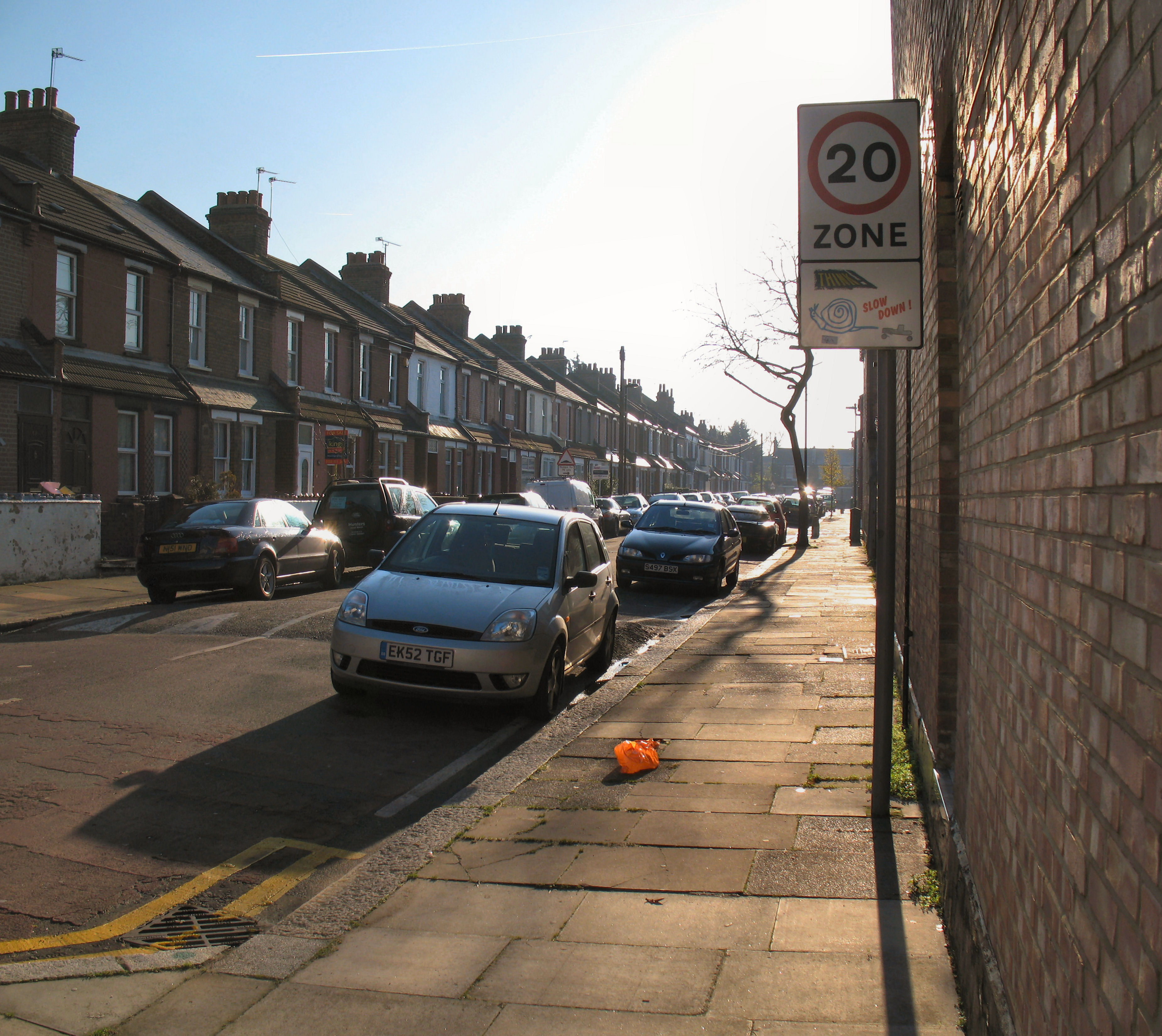
Drivers on Point San Pedro Road, Andersen Drive, Lincoln Avenue and 15 other San Rafael streets will need to ease off the gas this fall after the City Council approved an ordinance Monday, July 20, lowering speed limits on 18 roadway segments outside the downtown core.
The reductions range from 5 mph drops on major corridors to new 20 mph zones on neighborhood streets. New signs go up in fall 2026, followed by a one-month warning period before police begin issuing citations in winter 2026-27.
It's the second phase of a citywide program that began in 2025, when the city cut speeds on 24 downtown segments. That first round brought 20 mph signs to Fourth Street, Fifth Avenue and Mission Avenue, and 30 mph signs to Second Street.
What's changing where
The biggest single drop hits Point San Pedro Road between Marina Boulevard and Porto Bello Drive, which falls from 40 mph to 35 mph.
Four segments drop from 35 mph to 30 mph: Andersen Drive between Lindaro Street and Francisco Boulevard West; Andersen Drive between Bellam Boulevard and Marin Sanitary Service; Fourth Street between the western city limit and Second Street; and Third Street between Grand Avenue and the eastern city limit.
Lincoln Avenue, Los Gamos Drive and Woodland Avenue segments drop from 30 mph to 25 mph. Nine more streets, including B Street, Fifth Avenue, Grand Avenue, Greenfield Avenue, Kerner Boulevard and Lindaro Street, fall from 25 mph to 20 mph.
Why the city says it matters
The reductions are authorized under California Assembly Bill 43, which allows cities to set limits 5 mph below what a traffic engineer's speed survey would otherwise require on streets designated as high-injury or near concentrations of vulnerable road users such as children, seniors and people with disabilities.
The city hired engineering firm Parametrix to study crash histories, pedestrian and bicycle activity, and planned infrastructure projects on each corridor.
"With a vehicle traveling 20 miles an hour, there's a 10% chance that it results in a fatality," Parametrix engineer Jimmy Jessup told the council at the July 20 meeting. "But if that vehicle is traveling at 40 miles an hour, the chance of fatality increases greatly to 80%."
San Rafael traffic engineer Sayed Fakhry said signal timing on Second and Third streets is already calibrated to 20 mph, meaning drivers who speed won't gain time at red lights.
Public Works Director April Miller said the speed reductions promote safety while the one-month warning period gives drivers time to adjust before citations begin. Walk/Bike San Rafael co-chair Dave Rhoads said the group supports the changes, particularly along the Safe Routes to School corridor on Fifth Avenue near Sun Valley Elementary School.
What's next
The city is still installing remaining Phase 1 signs downtown and expects to finish by the end of 2026. Phase 2 signs go up in fall 2026, with enforcement starting after the warning period concludes in winter 2026-27. Residents can find segment-by-segment details on the city's AB 43 project page at cityofsanrafael.org.