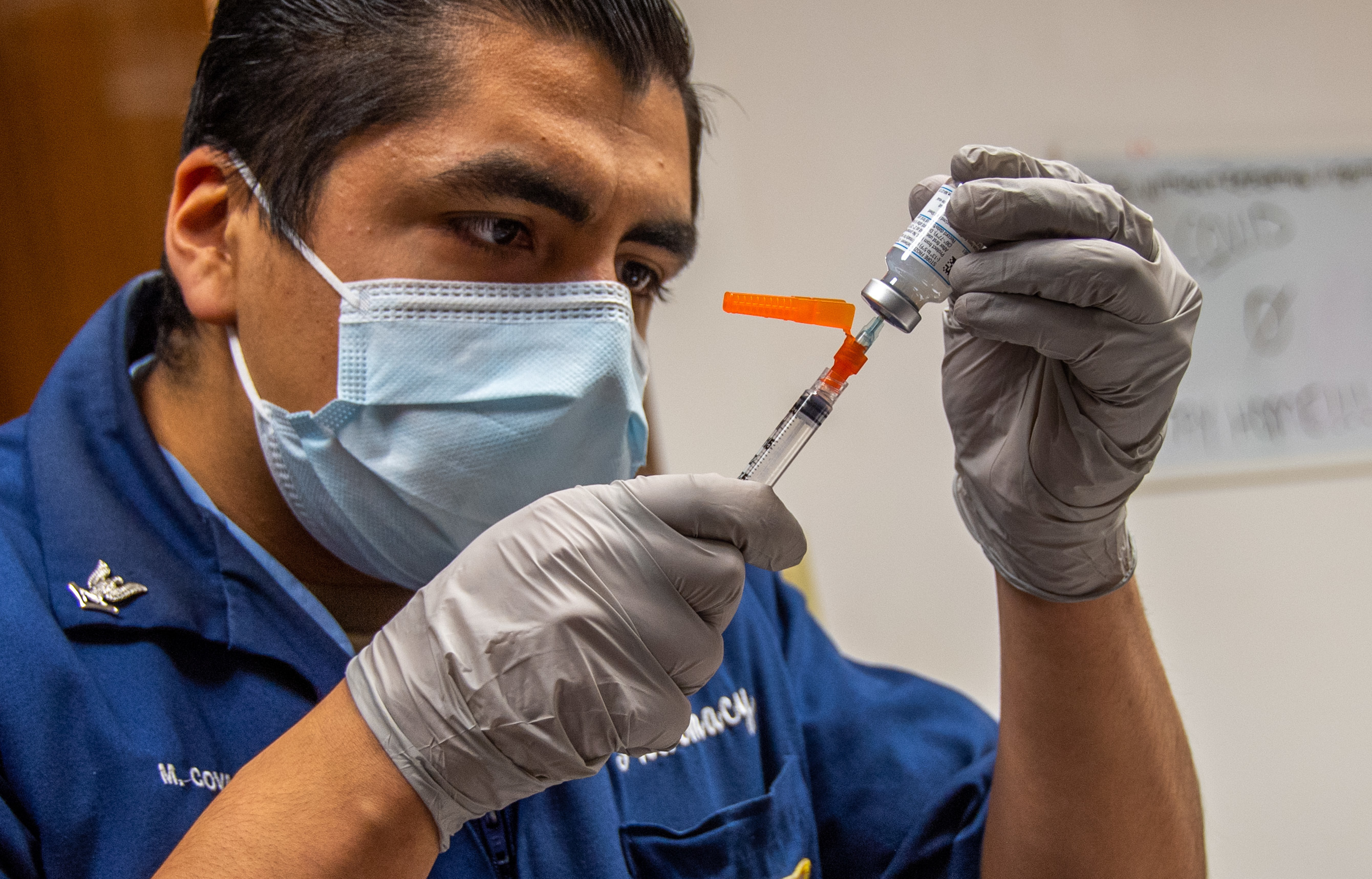
Anti-vaccine sentiment is spreading into veterinary medicine, and Marin Humane is urging San Rafael pet owners not to skip their animals' rabies shots.
Lisa Bloch, Marin Humane's director of marketing and communications, published a public health warning on Tuesday, Aug. 11, citing a New York Times report on a 2023 survey that found 52% of pet owners expressed uncertainty about the importance of pet vaccination. The trend mirrors what pediatricians have faced for years: vaccines work so well that people forget the diseases they prevent.
"The protections we enjoy didn't happen by accident — they're the result of decades of pet guardians doing their part," Bloch wrote on the organization's website. "So, the next time your pet's rabies vaccination is due, don't skip it."
The stakes are stark. Rabies is almost always fatal once contracted, in both humans and animals. Mass pet-vaccination programs launched in the 1950s drove dog rabies cases in the U.S. down to about 1% of all rabid animals reported annually, according to Bloch's post citing CDC data. Before those campaigns, dog bites caused most human rabies deaths in the country.
That progress could unravel. In nations with large populations of unvaccinated dogs, rabies accounts for 20,000 human deaths per year.
What the law requires
California requires all dogs over four months old to be vaccinated against rabies. Marin County goes further, requiring cat vaccination too, one of the few jurisdictions in the state to do so. The American Veterinary Medical Association recommends rabies vaccination for all cats, even indoor-only ones.
Puppies typically get their first rabies vaccine between 12 and 16 weeks of age, with a booster one year later and follow-ups every one to three years depending on vaccine type and local rules.
Bats are the local threat
Bats are the primary rabies vector in Marin County and carry the virus at much higher rates than other local wildlife. The CDC reports that more than 90% of the roughly 4,000 animal rabies cases identified in the U.S. each year occur in wildlife, with bats found in every state except Hawaii.
Between 2015 and 2024, 17 human rabies cases were documented nationally.
Marin Humane's guidance is simple: never touch a bat, and keep pets away from them. If you find a bat that isn't moving or one that has flown into your home, call Marin Humane at 415-883-4621.