Marin County Supervisor Dennis Rodoni, whose district includes parts of eastern San Rafael, is calling for regular reviews of how law enforcement uses interconnected license plate readers, cameras, records and artificial intelligence.
In a statement on his county website, Rodoni urged scrutiny of who can access information, how it is shared and whether systems remain within their approved purpose. The statement follows a months-long push that began when Rodoni pulled a $1.5 million contract with Peregrine Technologies off the Board of Supervisors' consent calendar in May.
That contract would have funded a real-time data dashboard linking records from Marin police departments, the sheriff's office, the probation department and the district attorney's office. It would have integrated body camera footage and data from Flock and Vigilant automated license plate readers, according to the Marin Independent Journal. The contract was to be paid with state funds under Assembly Bill 109, the Public Safety Realignment Act.
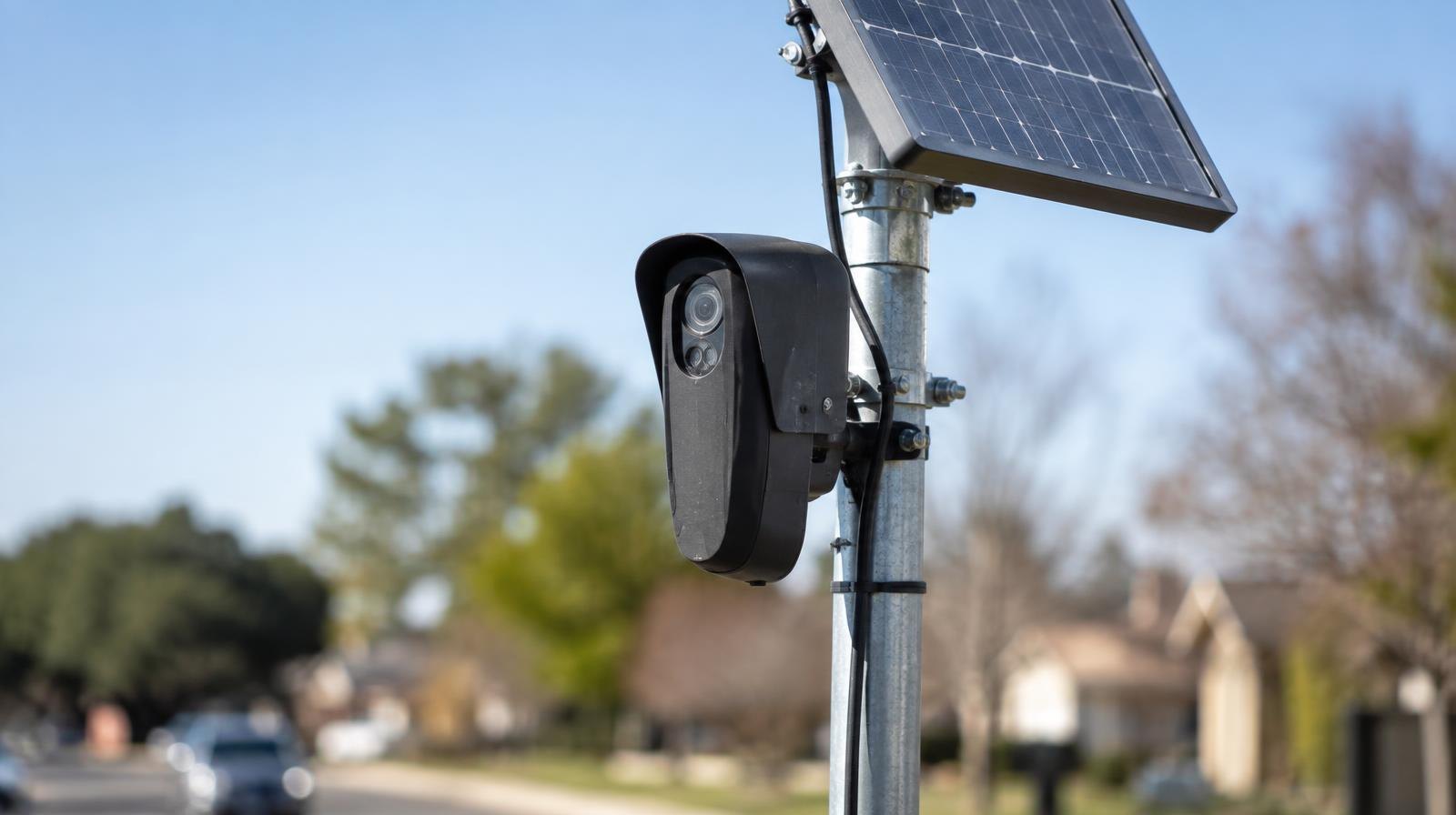
Rodoni said in his statement that the county needs to "look carefully at technologies like Flock cameras." He called for regular reviews of who has access to surveillance data, how it is shared, whether new systems have been connected and whether the technology is still being used for its originally approved purpose.
San Rafael residents weighed in during the May debate. Yolanda Hylkema wrote to the Board expressing concern that giving Peregrine broad access to county data could expand surveillance capabilities and increase risks to immigrant communities. Mike Walford told supervisors that promises about license plate reader data not being shared with outside agencies "proved to be empty."
Rodoni described the development of a new Marin Countywide Data Policy as one result of the discussion. The board adopted the policy Aug. 18. The policy, reported by the Press Democrat, creates three data classification tiers: public, confidential and restricted. The county’s policy summary says proposed sharing of confidential or restricted data requires technical and risk review, with high-risk uses requiring Technology Investment Board approval. Projects receiving that approval must undergo an audit beginning no later than 12 months afterward.
Rodoni and Supervisor Mary Sackett said at the Aug. 18 meeting that the policy did not go far enough.
"Mission creep seems to be an issue," Rodoni said at the Aug. 18 meeting, as the Marin IJ reported. "We issue a contract to Flock for a certain number of cameras in a certain number of locations then suddenly I see where the locations don't match up with what I approved."
Residents can read Rodoni’s position on surveillance oversight in his statement on the county website.